

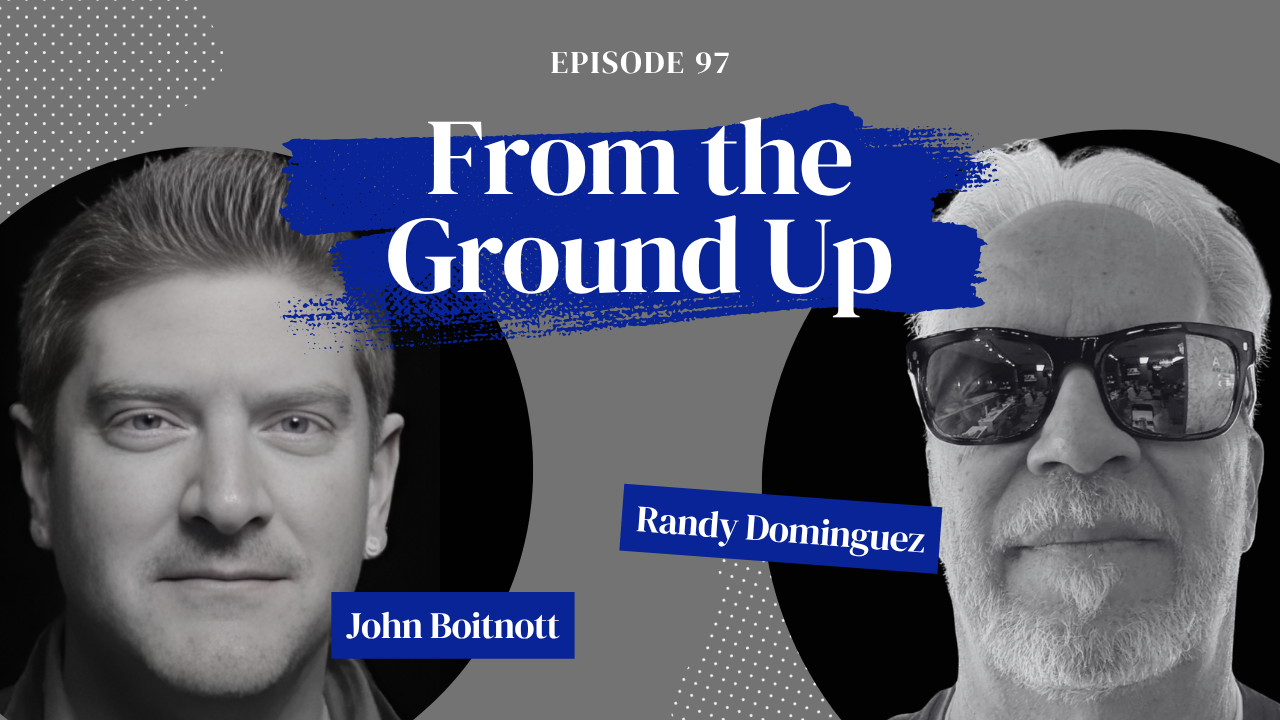
Randy Dominguez did not spend most of his career in entertainment. His background was in finance, institutional trading, and wealth management, where he spent decades working with numbers, clients, and long-term planning. After retiring, however, he found himself drawn toward a very different kind of project: documenting the musical history of New Jersey.
That project became The Jersey Sound, a documentary exploring the artists, venues, genres, and communities that helped shape the state’s musical identity. For Dominguez, the film is less about proving that New Jersey produced famous musicians than about showing how music becomes part of a place and how easily that history can disappear if nobody records it.
New Jersey Music Is Bigger Than a Few Famous Names
Ask most people to name musicians associated with New Jersey and the conversation quickly turns to Bruce Springsteen, Bon Jovi, or Frank Sinatra. Dominguez believes those names are important, but they can also obscure the breadth of what happened around them.
The documentary reaches across multiple periods and genres, including jazz, blues, pop, rock, metal, and hip-hop. Dominguez wanted the film to show that New Jersey’s music history did not develop through one signature sound in the way some places became closely associated with a single genre. Different towns, venues, musicians, and generations created overlapping scenes that kept changing.
That variety became one of the reasons he felt the story was worth preserving. A local band playing in a small club may never become internationally famous, but it can still shape a community, influence another musician, or become part of someone’s understanding of where they grew up.
The Community Around Music Matters Too
Dominguez noticed something distinct about New Jersey after moving there from New York. In his experience, live music often felt closely tied to particular towns, bars, clubs, and groups of regular listeners.
A musician might play the same local circuit repeatedly and develop an audience that followed from one venue to another. The relationship was not simply between performer and ticket buyer. The shows created recurring gathering places where people saw friends, met neighbors, and built traditions around the music.
That community aspect is central to how Dominguez thinks about The Jersey Sound. He points to artists such as Southside Johnny, who became an important presence in the film and, in Dominguez’s view, represents the interconnected nature of the state’s music scene. The documentary uses those individual stories to show how influence often travels through relationships rather than charts or record sales.
Music history, in that sense, is also social history. When a venue closes or a musician dies without their story being recorded, something larger than a performance can disappear with them.
Finance Gave Him a Framework for Producing
Moving from financial services into film might seem like a complete break, but Dominguez carried several habits from his previous career with him. The most important was learning to define the destination before trying to solve every step required to reach it.
His approach begins with identifying the goal, understanding the resources already available, and being honest about what is missing. A creative project still requires budgets, contracts, schedules, people, and decisions about where limited resources should go.
Dominguez also learned that a plan has to leave room for mistakes. Film production introduced him to areas he had never worked in before, including music licensing, editing, rights, production logistics, and the complications of coordinating interviews with performers.
Patience became as important as planning. Dominguez argues that people entering a new field often underestimate how long it takes to learn the language, find the right collaborators, and recover from decisions that do not work as expected.
COVID Changed the Production
The documentary began taking shape around 2019, which meant the production soon collided with the pandemic. COVID disrupted live music, venues, schedules, and ordinary travel, but it also created unusual opportunities to speak with musicians whose calendars had suddenly changed.
Interviews had to be handled carefully, sometimes in backyards or other environments where people felt comfortable. The team also worked with clubs, theaters, and other locations to give the film more visual variety than a collection of conventional talking-head interviews could provide.
Those circumstances reinforced Dominguez’s belief that preserving music history requires taking opportunities when they appear. Many of the people who can explain a scene most accurately are the people who lived through it, and those voices are not permanently available.
Technology Makes Preservation Easier
Dominguez remembers a period when documenting live music required expensive equipment and far more technical infrastructure than most fans or local performers could access. Smartphones have changed that equation.
Today, a local band can record performances, interviews, backstage conversations, and the atmosphere around a show with tools people already carry. The footage may not become a polished documentary, but it can still preserve details that would otherwise be lost.
Dominguez would like more musicians and local communities to take advantage of that. His concern extends beyond New Jersey because every region has performers, venues, and scenes that matter deeply to the people who experienced them even if they never became part of national music history.
A Second Career Needed a Different Kind of Risk
Dominguez often refers to Robert Frost’s idea of taking the road less traveled. Earlier in life, he chose business over pursuing music professionally, even after a teacher encouraged him to consider Juilliard.
Decades later, retirement presented another fork in the road. He could have stayed within the world he already understood or committed time and money to a creative industry where he had little direct experience.
He chose the unfamiliar path.
That decision has also shaped the advice he gives entrepreneurs and people considering a career change. He believes they need a clear goal, an honest assessment of what they know and do not know, enough patience to learn, and a willingness to accept risk without pretending every step can be predicted.
The Jersey Sound grew from that combination of planning and curiosity. Dominguez may have entered filmmaking as an outsider, but that distance helped him recognize something worth protecting.
Local music does more than entertain a room for a few hours. It records who was there, what people cared about, and how a community sounded at a particular moment in its life.
Want more From the Ground Up? Check out more articles or head over to YouTube, Apple, or Spotify to watch the videos.