

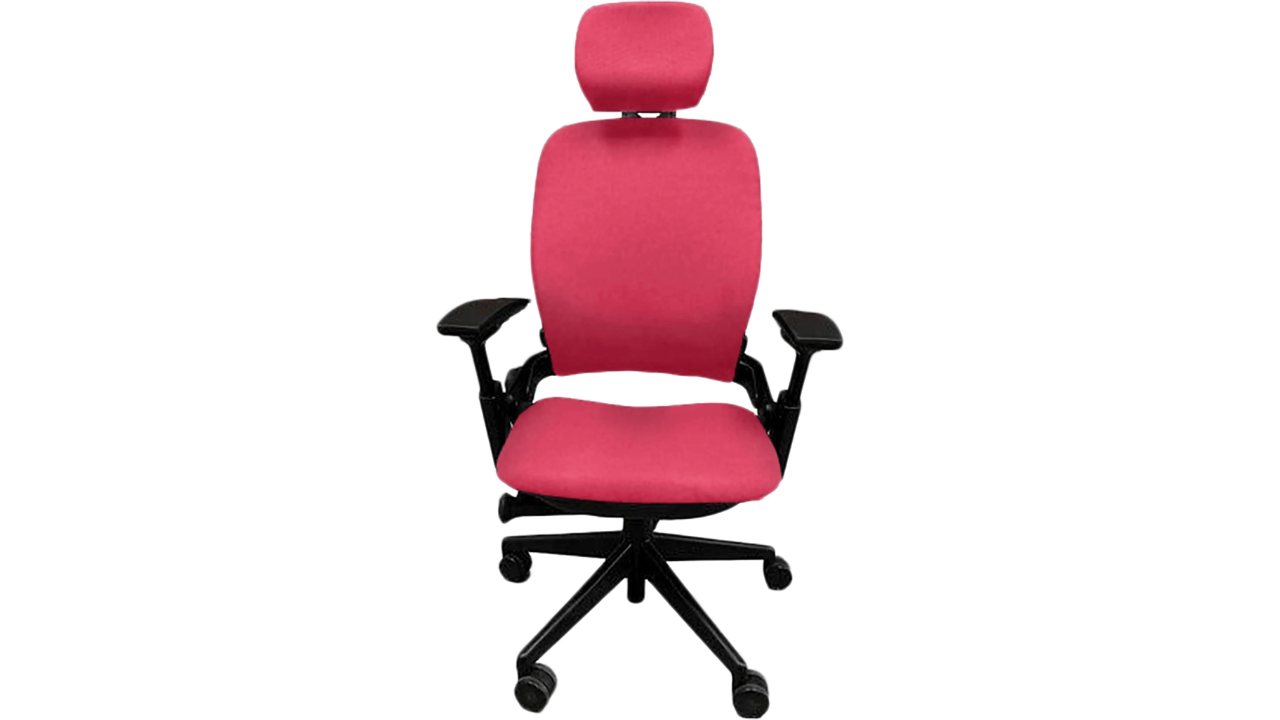
There is a certain clarity in the image of two founders in a garage, surrounded by castoff office chairs and practical ambitions, working out how to improve the way people sit and work. Office Logix Shop did not begin with sleek showrooms or jargon-laced strategy decks. It began with a straightforward premise that high-quality ergonomic seating should not be a luxury item and that “used” is not a synonym for “second-rate.”
From that unglamorous starting point, according to the company’s own account of its history, the business has grown into a 60,000-square-foot hub in Ohio that now operates as a large-scale base for refurbished seating. The journey from cramped garage to expansive facility tells a growth story that also reflects what can happen when comfort, value, and sustainability become core business priorities.
A Quiet Shift in How People Sit
The history remains grounded in tinkering and steady work rather than spectacle. The founders built the business piece by piece, chair by chair, moving from that original garage to progressively larger spaces as demand grew. Each move marked a new chapter in a mission to make ergonomic seating more accessible to workers who spend most of their waking hours at a desk or in front of a screen. There is no mythic overnight success here, only an accumulation of long days, careful refurbishing, and a refusal to accept that well-designed posture support should remain the province of offices with the largest furniture budgets.
That core belief is now evident in its warehouse and showroom, where previously owned chairs undergo inspections, repairs, and adjustments before being returned to service. Frames, cushioning, and functional components undergo a process designed to extend product life and restore performance. The company’s growth is not limited to square footage or revenue; it also manifests in the number of customers who report that their seating feels more stable and supportive than lower-cost, short-term options. In this way, the garage story directly connects to incremental changes in how people approach their workdays.
Ergonomics as Everyday Equipment
Refurbished chairs from this operation function as everyday tools that can influence how people experience work, even if the precise health effects remain a matter for formal study rather than column prose. For freelancers juggling multiple clients at a kitchen table, start-up teams watching every expense, and growing companies that want to upgrade workstations without overspending, these seats offer a balance of durability and a lower price point compared to many brand-new models with similar features. A well-refurbished ergonomic chair distributes weight more evenly, supports the spine’s natural curves, and helps maintain a more neutral shoulder position throughout the day. In a world where many still rely on flimsy “temporary” solutions that quietly become permanent, such consistent support represents a tangible upgrade.
The impact on the target audience appears in both practical and perceived ways. When a worker settles into a chair that adjusts smoothly, rolls without strain, and does not creak with every movement, it becomes easier to stay focused on the task rather than on physical discomfort. Better seating can reduce minor distractions, help ease routine aches associated with poor posture, and make long stretches at the desk feel more manageable, even if individual results vary. Over time, the presence of a reliable, supportive chair reinforces the idea that comfort belongs in the category of essential work equipment rather than optional indulgence.
Sustainability with a Spine
The massive Ohio hub also operates as a straightforward counter to throwaway culture in office furniture. Every refurbished chair represents raw materials that do not require another full production cycle, components that avoid an unnecessary trip to a landfill, and value retained in the system rather than written off as waste. Office Logix Shop operates at the intersection of function and resource efficiency, where sustainability is integrated into the daily routine of inspecting, repairing, and reusing products that still have many years of service left in them. The familiar arc from “garage startup” to large facility gains an environmental dimension when each shipment of used seating turns into chairs that return to offices and home workspaces instead of disposal sites.
This story does not present a flawless solution, and no single company can remake the way the world works or the way the world sits. Even so, Office Logix Shop operates on the idea that comfort, durability, and the responsible use of materials can coexist in its business model. In an age that celebrates big disruptions while leaving many people working in unstable, short-lived jobs, any shift toward longer-lasting, more thoughtfully used products may look relatively modest. If a garage-born refurbishing outfit can offer workers sturdier support at a defined price point and keep large volumes of furniture in circulation for a longer period, that development raises a straightforward question for the rest of the market about how it uses and discards similar products.