

Artificial intelligence is creating an enormous appetite for electricity. Data centers need more power to operate increasingly dense clusters of processors, but utilities cannot expand the electrical grid at the same speed.
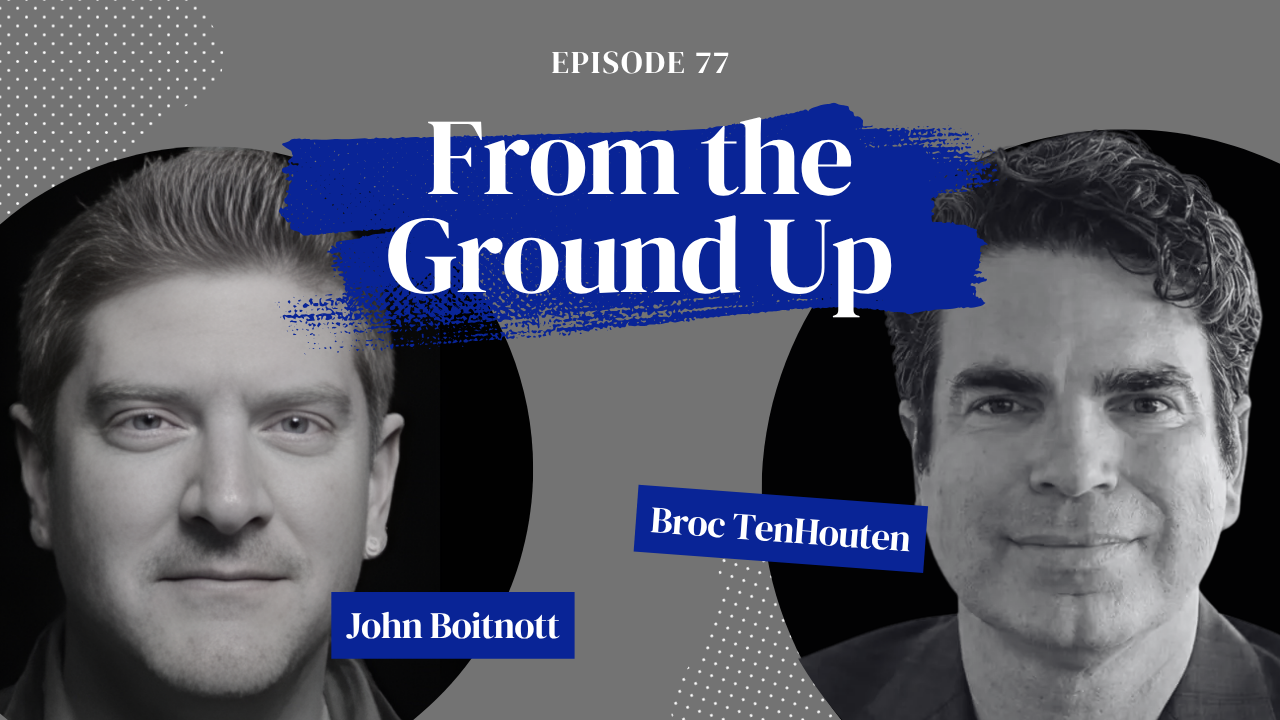
According to Broc TenHouten, co-founder and CEO of Intrinsic Power, some data center operators are waiting between four and ten years for larger grid connections. Others are building facilities in less-than-ideal locations simply because electricity is available there.
TenHouten believes the industry can unlock significantly more capacity from the infrastructure it already has.
Intrinsic Power develops hardware and software designed to help buildings, industrial facilities, and data centers use more of their existing electrical connections. Its systems monitor activity across a site, predict changes in demand, and supply stored energy where it is needed.
The result could allow data centers to run considerably closer to their full capacity without creating dangerous power spikes.
Why Data Centers Leave Power Unused
A typical data center may operate at approximately half of the maximum power available through its grid connection.
That does not mean half of its electricity is being wasted. Instead, operators intentionally leave a large safety margin because power demand can change suddenly.
AI workloads are particularly volatile. A burst of complex requests can activate thousands of processors at once, causing the facility’s power consumption to rise rapidly. Cooling systems, solar production, backup generators, and fluctuations in grid quality can also affect the balance.
If demand exceeds the available connection, breakers may trip and systems may shut down. Although data centers generally have batteries that provide enough time to save information and complete shutdown procedures, an outage can still create a serious operational disruption.
Running at 50 percent capacity gives a facility room to absorb a power spike that might temporarily double its consumption.
TenHouten says Intrinsic Power’s technology could reduce the size of those spikes to roughly 10 percent. A data center that previously operated at 50 percent might then run much closer to 90 percent, potentially unlocking 40 percent more usable power without waiting for a utility to construct a larger connection.
The system relies on sensors installed at critical points throughout a facility. Each sensor includes a small amount of local computing power that analyzes electrical conditions at high speed.
Rather than sending huge volumes of raw data to a central computer, the sensors report the direction, timing, and size of changes occurring across the site. The company’s software then predicts where power will be needed and adjusts the flow of stored energy in real time.
Intrinsic Power develops both the control software and the associated hardware, allowing the two parts of the system to respond together.
Retrofitting Today and Redesigning Tomorrow
Intrinsic Power is pursuing a two-stage deployment strategy.
Its first systems can operate in parallel with a data center’s existing electrical infrastructure. That makes it possible to retrofit current facilities without replacing their entire power architecture.
For data center operators facing years-long waits for utility upgrades, this approach could provide additional capacity much sooner. It may also reduce the need for on-site generators, including diesel or natural gas equipment that can be expensive and produce significant emissions.
In the longer term, the company plans to offer more fully integrated systems that combine energy storage with solid-state transformers and advanced power controls.
TenHouten expects future data centers to operate at increasingly high voltages. As server racks consume more electricity, higher-voltage systems can reduce current, heat, and power losses. He also believes intelligent sensing and AI-based controls will become a standard part of data center power infrastructure.
The same underlying technology could eventually serve commercial buildings, factories, military facilities, ships, and other environments where demand changes quickly and grid capacity is limited.
Intrinsic Power began by serving commercial and industrial properties, but the company shifted more attention toward data centers because the need is particularly urgent.
More Power Could Also Reduce Water Use
Data centers have faced increasing criticism over the amount of water they use for cooling.
TenHouten argues that this is partly an electricity problem.
Instead of constantly drawing fresh water through a cooling system and releasing it, operators can recirculate a smaller volume of water and repeatedly chill it. However, cooling and recycling that water requires additional electricity.
If facilities can access more usable power from their existing connections, they may be better positioned to adopt closed-loop cooling systems and reduce water consumption.
TenHouten expects water-efficient cooling to eventually become an industry requirement. Companies that prepare early may find the transition easier than those forced to retrofit after new regulations are introduced.
Building From Experience
TenHouten studied mechanical engineering at the University of California, Berkeley, began his career at General Motors, and later earned an MBA from the University of Michigan.
He has spent approximately 18 years working in energy and electric vehicle startups. His previous ventures include two successful exits and a privately held company that reached a valuation above $1 billion.
Those experiences shaped his approach to Intrinsic Power.
Rather than entering the market with a copy of an existing product, his team began by asking what customers genuinely needed and testing whether its theories worked in laboratory and real-world environments.
TenHouten advises younger entrepreneurs interested in energy infrastructure to learn from experienced power engineers before launching companies of their own. Electrical systems at this scale are complex, and enthusiasm for AI does not replace the need for deep technical knowledge.
For Intrinsic Power, the mission is straightforward: help facilities obtain more useful energy from the connections they already have.
As TenHouten puts it, electrons do not care which industry a customer belongs to. Whether the site is a data center, factory, office building, or defense installation, the underlying challenge is the same.