

When people think about retail innovation, they usually look toward Silicon Valley, Europe, or China. Central Asia is rarely in the focus of that conversation.
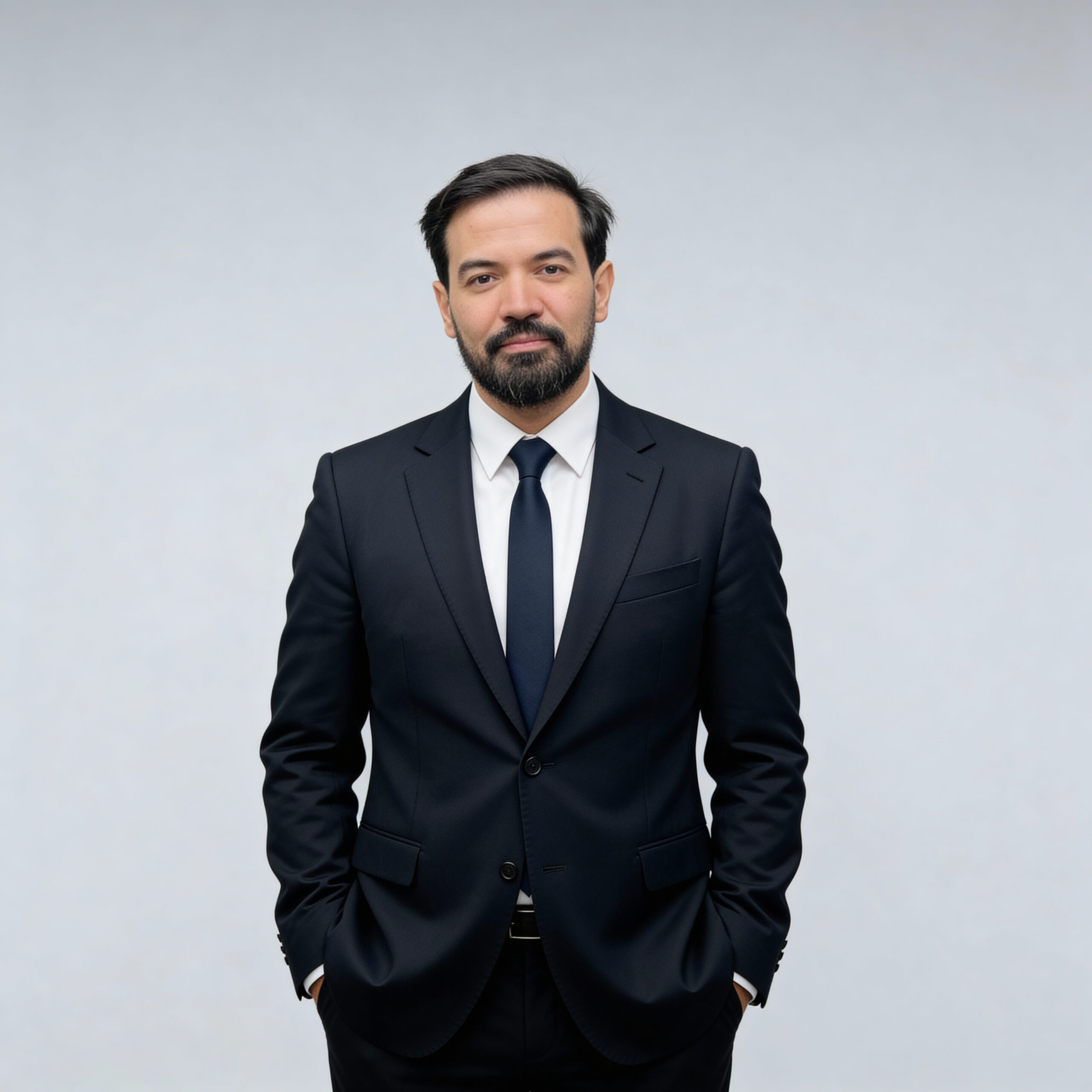
But for Aziz Zakirkhadjaev, CEO of OX System, that gap is exactly what creates opportunity.
Over the last several years, OX System has grown into one of the region’s largest retail infrastructure platforms, supporting more than 600 brands across 7+ countries and over 5,000 sales locations. What began as an e-commerce and web development studio has developed into a connected operational system for modern commerce businesses.
And now, after securing $900,000 in funding from IT Park Ventures and United Ventures, the company is preparing for a much larger expansion beyond Central Asia.
But according to Zakirkhadjaev, the company was never built simply as just another retail software product on the market.
“Retail businesses today don’t lack tools — they lack operational infrastructure,” he says. “Most companies operate through disconnected software: POS, inventory, CRM, logistics, online channels. As businesses grow, managing those systems becomes more difficult and time-consuming than growing sales themselves.”
That operational fragmentation became the core problem OX aimed to solve.
Instead of creating separate products for different retail functions, the company focused on building a connected operational environment where inventory, warehouses, sales, logistics, payments, analytics, and online channels work as one system.
OX refers to this approach as the Commerce OS — infrastructure for commerce businesses rather than standalone retail software.
Modern businesses no longer operate through a single sales channel. A retailer may simultaneously sell through physical stores, websites, marketplaces, Telegram commerce, delivery platforms, and wholesale networks. Yet many businesses still try to manage these operations through fragmented systems that were never designed to work together.
According to Zakirkhadjaev, this challenge becomes especially visible and turns into a major operational pain point for commercial businesses in fast-growing emerging markets.
“In many developing regions, businesses scale faster than their operational infrastructure,” he explains. “That creates pressure on inventory management, logistics, reporting, and visibility across the business. Companies need infrastructure that grows with them.”
Central Asia became an ideal testing ground for this model.
Retail businesses across the region are going digital very fast, adopting omnichannel operations and expanding into larger networks. Without heavy legacy infrastructure slowing adoption, many companies move faster than businesses in more mature markets.
That environment allowed OX System to grow quickly while refining its platform through real operational challenges.
Now the company is taking that experience into international markets.
OX has already started expanding into Turkey, MENA, and broader Asian markets while also building partnerships with Chinese hardware manufacturers focused on RFID and retail automation technologies, with one of the key partnerships signed with Urovo Technology Co., Ltd.
The recent funding round will support product development, predictive analytics, AI-assisted operations, and international scaling. But what is more important, it positions OX within a larger global evolution that is happening across retail technology.
For years, infrastructure companies in commerce were largely built in traditional tech ecosystems. But increasingly, emerging markets are producing companies capable of solving operational problems at scale — often faster and more pragmatically than legacy-driven markets.
And OX System intends to become a part of that new infrastructure layer for global commerce.