

For many businesses, insurance provides an essential safety net. But what happens when a significant business risk falls outside the coverage of a traditional policy? From cyber fraud and supply chain disruptions to business interruption and emerging AI-related liabilities, companies are increasingly confronting exposures that may not be adequately addressed by conventional insurance.
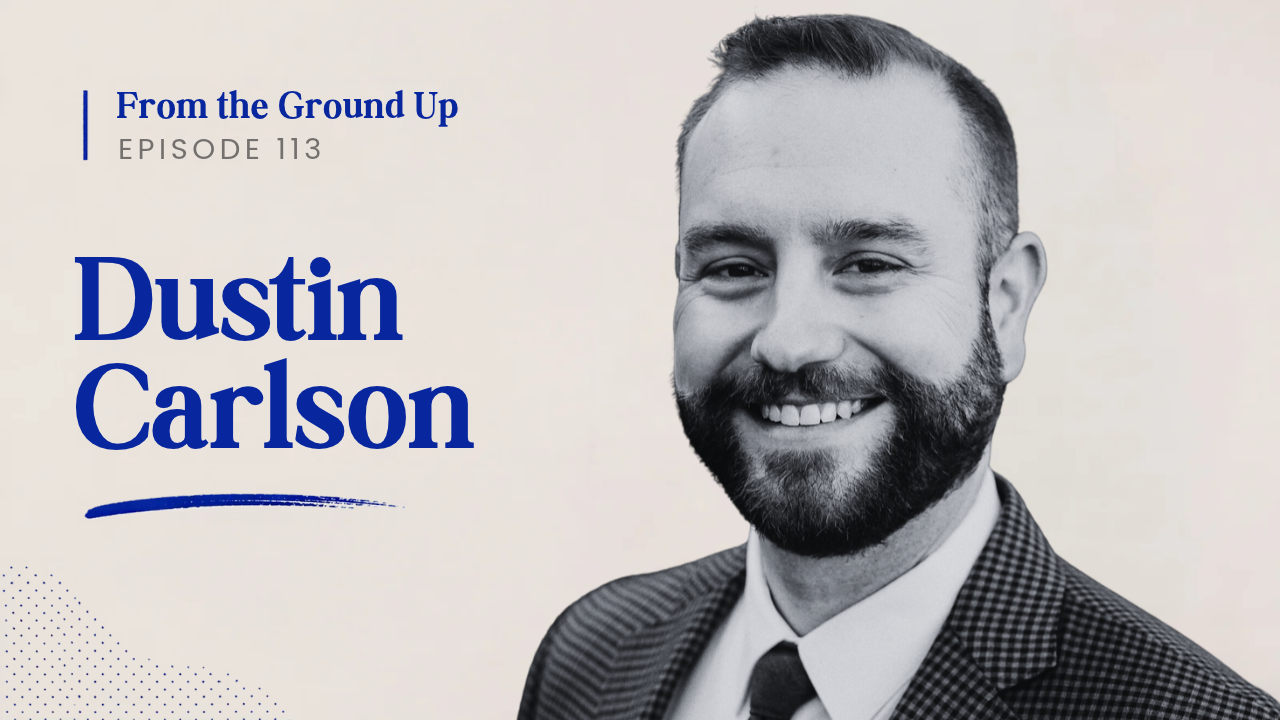
For Dustin Carlson, President of SRA 831(b) Admin, helping businesses prepare for those gaps is at the center of his work.
Carlson joined John Boitnott on the Beyond the Bank podcast to discuss how businesses can approach risk more proactively, the role of Section 831(b) arrangements, and why understanding what an insurance policy excludes can be just as important as knowing what it covers.
The Risks Traditional Insurance May Leave Behind
Carlson explains that SRA helps businesses establish and administer their own insurance arrangements using Section 831(b) of the U.S. tax code. These arrangements are designed to help businesses prepare financially for certain risks that may not be covered by traditional insurance, with potential tax advantages when structured and operated appropriately.
The need for additional protection is becoming increasingly apparent. Carlson points to pandemic-related business interruptions as one example. During COVID-19, many businesses discovered that their traditional business interruption policies did not provide coverage for government-mandated closures when there was no physical damage to their property.
Other exposures include third-party service interruptions, legal disputes, cyber incidents, and reputational damage. A disruption affecting a major technology provider, for example, can quickly become a business problem for companies that depend on its systems to operate.
The challenge is that business owners often assume these risks are covered until an incident actually occurs.
AI Is Creating Another Layer of Business Risk
One of the most important parts of the conversation concerns artificial intelligence and its impact on business liability.
Carlson highlights how AI is making cyber scams increasingly sophisticated. Phishing emails that once contained obvious spelling and grammatical errors can now appear entirely professional, making fraudulent payment requests and altered banking instructions harder to identify.
He also raises concerns about emerging AI liability. As businesses increasingly use AI to generate contracts, make decisions, and interact with customers, questions about responsibility and insurance coverage become more complicated.
Carlson notes that insurers are beginning to introduce exclusions relating to AI liability in certain policies. Businesses that adopt these technologies without appropriate oversight could therefore find themselves exposed when something goes wrong.
His message is straightforward: AI can be an extremely useful tool, but businesses need procedures, human oversight, and a clear understanding of the risks they are accepting.
Why Proper Administration Matters
An important distinction Carlson makes is that an 831(b) arrangement is not simply a tax strategy or a reserve account that business owners can access whenever they want.
It must operate as a legitimate insurance arrangement, with appropriate risk transfer, risk distribution, fortuitous risks, and the operational standards associated with an insurance company.
That includes issuing policies, collecting premiums, maintaining appropriate reserves, and following a genuine claims process. Ordinary, predictable business expenses and investment losses are not automatically insurable simply because a business wants additional financial protection.
Carlson also acknowledges the IRS scrutiny that has surrounded 831(b) arrangements historically. He argues that properly structured and administered plans should be distinguished from arrangements that misuse the tax code.
For businesses considering this approach, understanding the requirements and obtaining appropriate professional guidance is essential.
Preparation Starts with Understanding Your Coverage
Ultimately, Carlson believes business owners should take a closer look at their existing insurance policies, particularly the exclusions.
He recommends speaking with insurance professionals, identifying the risks that could materially affect operations, and considering how those exposures would be funded if traditional coverage did not respond.
He also emphasizes that 831(b) arrangements are not appropriate for every business. They are designed for business risk management, not personal insurance or simply creating another tax vehicle.
For Carlson, the broader objective is to help businesses become more self-reliant and better prepared for unexpected disruptions.
As technology, economic conditions, and the insurance market continue to evolve, the companies best positioned to withstand uncertainty may not necessarily be those with the most insurance, but those that understand their exposures and have a plan for addressing them.
Want more From the Ground Up? Check out more articles or head over to YouTube, Apple, or Spotify to watch the videos.
