

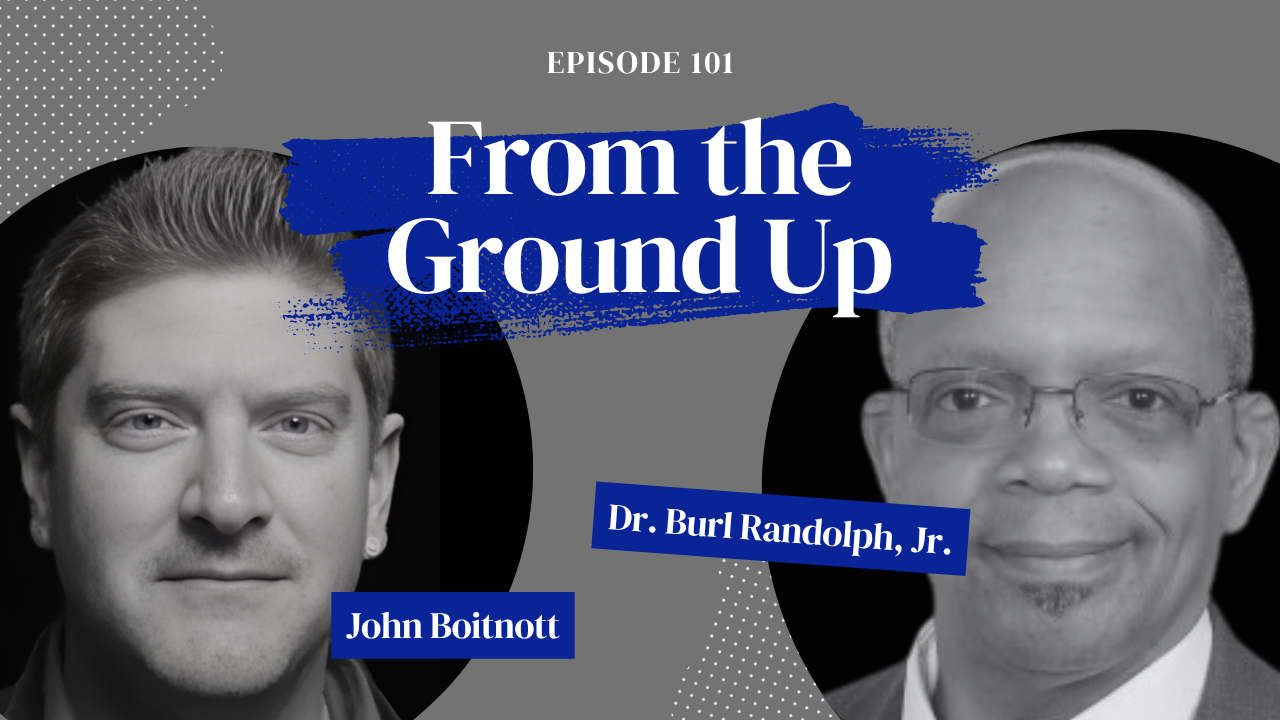
Dr. Burl Randolph Jr. spent nearly 32 years in the U.S. Army, including three combat tours in Iraq, before moving into business leadership and management consulting. Across those roles, he saw the same pattern repeat: organizations often know when a leader is creating fear, confusion, and mistrust, but they wait too long to intervene. His work through MyWingman, LLC now focuses on helping organizations recognize those patterns before they harden into culture.
Randolph does not treat toxic leadership as a mysterious management problem. In his view, there are no uniquely “toxic leaders,” only toxic people who happen to hold leadership positions. That distinction shifts the question from whether someone is demanding to whether their behavior is consistently damaging the people around them.
Tough Leadership and Toxic Leadership Are Not the Same
Randolph spent much of his career in environments where high standards were normal. Military leaders have to make decisions under pressure and prepare teams for situations where mistakes carry serious consequences. Being direct, demanding, or strict does not automatically make someone toxic.
The difference appears in how that pressure is applied. Randolph points to erratic behavior, unexplained angry outbursts, humiliating personal comments, favoritism, and requests that drift into unethical territory as warning signs. A demanding leader may criticize someone’s work and explain what needs to improve, while a toxic one makes employees wonder what version of the boss will walk through the door.
That uncertainty changes how people work. Employees begin reading moods, avoiding attention, and trying to determine who is aligned with whom. The organization may still appear productive, but trust is already weakening.
Organizations Often Help the Problem Continue
One reason toxic leadership lasts is that people become accustomed to it. Some employees stay quiet because they need the paycheck or fear retaliation, while others assume this is simply how management works because they have seen similar behavior before.
Randolph also believes organizations sometimes mistake output for healthy leadership. Performance can remain steady under a toxic boss because employees keep their heads down and avoid becoming targets. The leader can look effective even while morale deteriorates and people stop helping one another.
The deeper damage appears in how people work together. Employees stop sharing information freely, teams become less cohesive, and people focus on protecting themselves rather than helping one another. A workplace can still hit its numbers while becoming a place where no one wants to contribute more than necessary.
That is why Randolph emphasizes accountability. Toxic behavior grows when angry outbursts, favoritism, intimidation, or questionable decisions are excused often enough that the person learns there is little consequence for continuing. What begins as one person’s behavior can eventually shape the entire culture.
Leaders Need Development Before They Need Rescue
Randolph’s military background shaped his belief that leadership should be taught deliberately. In the Army, people receive formal preparation for increasing responsibility, and leaders are expected to understand both the mission and the people carrying it out.
He was struck by how different that can be in civilian organizations. One executive coaching client told him there was no “CEO school,” a comment that stayed with Randolph because companies routinely promote people into leadership roles without much preparation for managing other human beings.
A strong performer may become a manager without learning how to set expectations, give feedback, handle conflict, or recognize the effect their stress has on a team. If the organization also avoids difficult conversations, bad habits can harden into management style.
Randolph argues that early performance conversations can prevent some of this. New leaders should know what the organization expects from them, how employees are supposed to be treated, and how they will be held accountable when they fall short.
Employees Still Have Some Room to Respond
Randolph is realistic about the position of someone working under a difficult boss. Employees may not have the authority to change the leader, and walking away from a job is not always financially possible. They can sometimes improve the situation by understanding what is driving the behavior before assuming nothing can change.
He has used a simple question with struggling leaders: What can I do to make your job easier? The answer may reveal that the person is overwhelmed, underprepared, or receiving pressure from above. That does not excuse abusive behavior, but it can lower the temperature and expose a problem that is actually solvable.
There are limits to that approach. Threats, discrimination, unethical conduct, and persistent intimidation require formal intervention, not better interpersonal chemistry. Randolph believes organizations have a responsibility to investigate honestly rather than quietly returning complaints to the same leader who caused them.
His broader lesson is that leadership problems become cultural problems when nobody interrupts them. A company can replace one toxic manager, but if it never changes how people are selected, developed, evaluated, and held accountable, another person can fill the same role in much the same way.
For Randolph, good leadership begins before a crisis. It starts with clear expectations, honest feedback, deliberate development, and the willingness to address behavior while it is still correctable. Organizations that wait until fear and mistrust are embedded in the culture have made the repair much harder than it needed to be.
Want more From the Ground Up? Check out more articles or head over to YouTube, Apple, or Spotify to watch the videos.