


CEO success depends on more than performance at work—it also requires time to rest, reflect, and stay present. Insights from experienced leaders and experts show how self-care can sharpen judgment, strengthen relationships, and support better decisions. This article explores practical ways CEOs can protect personal time, share responsibility, and lead with greater balance.
- Choose Focus, Expand Practice
- Walk Through Grief, Create Purpose
- Unplug Fully, Test Independence
- Support Causes, Safeguard Home
- Take Leave, Empower Colleagues
- Use Cold Water, Clear Thoughts
- Reserve Quiet Time, Enhance Judgment
- Reflect Weekly, Find Enduring Fit
- Remove Dependency, Reclaim Dinners
- Pause Between Storms, Strengthen Response
- Relax Outdoors, Refine Illumination
- Play Hockey, Restore Family Presence
- Set Boundaries, Foster Ownership
- Step Away, Clarify Priorities
- Challenge Assumptions, Improve Accountability
- Recover Well, Forge Longevity
- Lift Weights, Lead Calmly
- Cook Meals, Ease Agency Strain
- Respect Staff, Sustain Mission
- Make Space, Preserve Integrity
- Nurture Yourself, Uplift Stakeholders
- Protect Dawn Hours, Sharpen Direction
- Delegate Authority, Develop Talent
- Guard Downtime, Spot Opportunities
- Claim Personal Hours, Detect Errors
Choose Focus, Expand Practice
Success, to me, is a business that runs well and a life I actually want to live while it does.
For years I had the first part and called it success. I built my practice working seven days a week. I was proud of it. I was also tired in a way sleep didn’t fix.
Here’s what I learned. Self-care isn’t the reward for success. It’s part of the job.
I’m a registered dietitian. I spend my days helping people close the gap between knowing what they need and actually doing it. I had to learn to do the same. Meals that actually happen. Movement I love. Real time off. When my needs are met, I make better decisions, I lead with more patience, and I stop confusing busy with productive.
One example: in 2022 I stopped teaching Pilates privates, something I had done for 15 years alongside the practice, so I could put my energy into one thing. A year later I moved to Miami. Now I take the Pilates class instead of teaching it, and I play tennis. The practice grew from just me to 15 dietitians in 13 states after I made that space, not before.
So my definition of success is the same one I started with. A business that works, and a life that feels like mine.
 Rachel Harvest MS RDN CDN LD IFNCP, CEO/Founder, Registered Dietitian, The Harvest Method
Walk Through Grief, Create Purpose
As a CEO, I measure success in two ways. The first is whether Walking Meditation helped someone get through a hard day. When a user writes to tell me they finally slept through the night, that means more to me than any download number. The second is whether I can keep doing this work for years. I also work full time in suicide prevention, and I have watched burnout push good people out of this field. If I run myself into the ground building a mental health app, I have failed at the very thing I am trying to teach.
So unwinding is part of my job. My non-negotiable is 10 minutes of quiet first thing in the morning, before I check email, texts, or notifications. That is where I decide what actually matters that day. Without it, I spend the day reacting to everyone else’s priorities.
The clearest example of balance shaping my life is how the app started. A few years ago I was living in a small apartment in a new city. I was between careers, with no money coming in, and then my sister died suddenly. I had practiced and taught meditation for years, but I could not sit still. Every time I closed my eyes, my mind raced. So I walked. Every day I put on my shoes, went outside, and talked myself through it the way I would guide a client. I paid attention to my breath, my feet, and what I could see and hear around me.
Those walks became the first meditations in the app. Today more than 1,000 people use Walking Meditation, most of them for the same reason I started: they want to meditate, but sitting still does not work for them.
Taking care of myself during the hardest year of my life is the reason my company exists.
 Dr. Breanna Reeser, Meditation Teacher, CEO, Walking Meditation
Unplug Fully, Test Independence
My definition of success has gotten simpler over the years. It’s whether the company can have a good week without me. If everything runs through the CEO, you haven’t built a business. You’ve built a very demanding job with your name on it.
That changed how I think about rest. I used to treat time off as a reward I’d earn once things calmed down, which of course never happened. Now I see it more as a stress test. Every time I truly unplug, I find out what’s fragile, which decisions are stuck waiting on me, and who’s ready to step up.
A while back I took a full week off with no laptop and no Slack, and I meant it. While I was gone, a partner pushed for a contract change that I probably would have accepted just to keep things moving. Our ops lead held firm and negotiated something better, and honestly she did it better than I would have. If I’d been checking messages from the beach, she would’ve just looped me in, and I’d have made the worse call.
Getting back was the fulfilling part, more than the trip itself. I felt rested, and I also had proof that the team didn’t need me hovering over everything.
On a personal level, balance for me mostly means long walks. That’s actually where I do my best thinking, often while listening to something I’d never sit down and read. My calendar doesn’t count it as work, but a lot of our better ideas started there.
So to me success means the business keeps running fine without me, and I still get to enjoy my life outside of it.
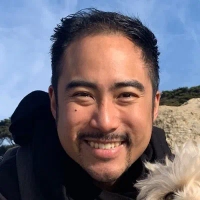 Derek Wild, CEO & Founder, Listening.com
Support Causes, Safeguard Home
I measure success by how many people we equip to do good. I wake up every day and see hundreds of causes being supported through our platform. Getting Pledge It into as many hands as possible is the scoreboard I care about.
Self-care helps me keep showing up. I work out every morning and still play basketball. Those habits keep me steady and set a tone for the team.
The best example of balance is a simple rule my wife and I follow. She’s run her own PR agency for more than 15 years, so we’re both entrepreneurs with plenty of opinions. Our rule is no unsolicited advice. We talk about work when one of us asks for help. The rest of the time, we get to be a family.
Fulfillment comes from protecting the parts of your life that work doesn’t need to enter. When those parts are healthy, you bring more of yourself to work.
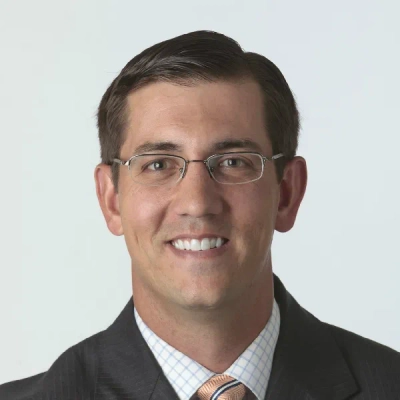 Scott Shirley, Founder & CEO, Pledge It
Take Leave, Empower Colleagues
For me, success as a CEO isn’t measured in revenue or headcount. It’s building a company that runs well when I’m not in the room. Photographers get the backdrop they ordered, on time. My team goes home proud of the work instead of drained by it. If Kate Backdrops only works because I’m grinding 80 hours a week, that’s not success. That’s a bottleneck with a fancy title.
That’s why I treat unwinding as part of the job, not a reward for finishing it. A tired CEO makes small, expensive mistakes. You snap at people who don’t deserve it. You approve the wrong thing just to make the decision go away. Rest protects my judgment, and judgment is the one thing I’m really paid for. A fulfilling life and a successful company need the same thing from me: a clear head.
The moment that changed my thinking was a full week off with my phone locked in a drawer. I expected to come back to chaos. Instead, my team had solved two problems I’d been sitting on for a month. Me stepping away gave them room to step up. And with a rested mind, I finally saw an opportunity in our product line that I’d walked past for months because I was too busy to look up. That week made me a better leader and a happier person, and I stopped feeling guilty about rest after that.
If your company can’t survive your vacation, you haven’t built a company. You’ve built a job.
 David Zhang, CEO, Kate Backdrops
Use Cold Water, Clear Thoughts
Honestly, I practice what I preach. I’m in the cold plunge every morning for a few minutes before I even get to email. Not as a ritual or personality thing. I noticed the difference on the days I don’t do it, and the difference is not good. I’m slower. I can’t get past little issues. I answer things I should have sat on for an hour.
I don’t consider that to be self-care in the spa brochure way. It’s more like upkeep. You would check a chiller’s filter just as you would before the water got cloudy. When I’m going to run four brands and make decisions that impact whether or not people are refunded, or whether they get a working product, I need my head clear. Nothing works better than cold water for that and it’s 20 minutes, not a weekend getaway.
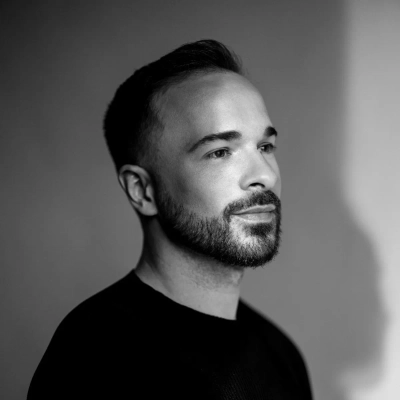 Julien Méthot, CEO, Nordik Recovery
Reserve Quiet Time, Enhance Judgment
I burned out hard after exiting my second eCommerce brand. I was sleeping four hours a night, answering Slack messages at dinner, and treating every weekend like a runway extension. My decision-making got worse in proportion to the hours I put in. I started approving vendor contracts I hadn’t read properly and missing signals from my operations team about fulfillment bottlenecks.
So I block two hours every morning before I open any work app. I walk, I cook breakfast slowly, and I don’t check messages. That sounds small, but it changes how clearly I think in the afternoon.
I now catch problems in hiring pipelines and client onboarding that I used to miss when I was running on fumes. My response time to a real issue got faster once I stopped trying to respond to everything instantly.
Success for me is being able to build companies that run well without requiring me to sacrifice my health or my relationships to keep them moving. For a long time I confused exhaustion with progress, and the work got worse for it.
 Val Narodetsky, CEO, Odesa
Reflect Weekly, Find Enduring Fit
Success for me is work that fits who I am, done at a pace I can hold for years. I worked very hard as an employee and liked a lot of it, but the pressure kept climbing and all of it happened inside somebody else’s shape. I hit an early burnout, and sitting in it I could see how much of the weight came from the ownership more than the hours. That is the point I decided to build my own company. Unwinding is part of the definition, because a CEO who cannot switch off makes the same decisions with less judgment.
Mine is a written reflection every week and an annual reflection I use as an anchor point to look back at the bigger picture. The older I get, the more I go with the flow, because very few things are actually plannable. I put effort into what I want, stay self-critical, and try not to take life too seriously, and that balance is what makes the work feel like mine. My advice to other CEOs is to read burnout as a signal about ownership and fit as well as workload. Cutting hours without changing the shape of the work usually just postpones the same wall.
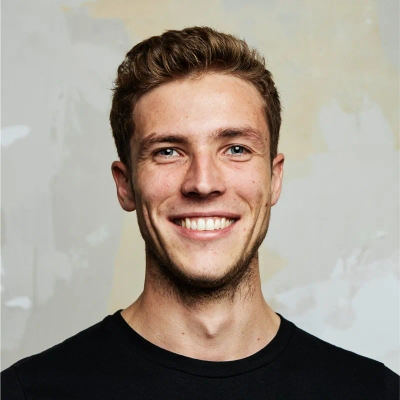 Marco Kohns, CEO & Founder, MyPassion.AI
Remove Dependency, Reclaim Dinners
My definition of success has gotten smaller and more specific over the years: a business that keeps growing without needing me to drop everything to hold it together.
For about twenty years, I didn’t have that. Running a technical company meant that when something broke, I went. I’ve lost count of the plans I canceled. One night my wife and I were halfway to a friend’s dinner party when the alerts started, so she drove me home and went on alone. Years before that, friends had planned a boat ride out to a restaurant, and half an hour before we left, my phone went off. I never got on the boat. At the time, I’d have called that dedication.
I don’t anymore. The work got done, but I wasn’t building something sustainable. I was the system.
So when people ask how unwinding fits into success, I don’t think of it as a reward for working hard. It’s a design requirement. A lot of what we’ve built lately, including the way we use AI, is aimed at that. I don’t believe the version of the AI story where you let it run the business and retire to a beach. What I want from it is better balance, faster answers for clients, better work, and more of it closed out each month.
The fulfilling part is that those turned out to be the same goal. When I’m not the single point of failure, clients get a steadier company, and I get to be someone who actually shows up to dinner. I won’t pretend I’ve fully arrived. But I know what I’m aiming at now, and it isn’t the beach.
 Shane Larrabee, President/Founder, FatLab Web Support
Pause Between Storms, Strengthen Response
Running Mackey Services for 30 years means I’ve learned that my definition of success is dead simple: did my team show up, do the job right, and leave the customer genuinely glad they called? That’s it. The A+ BBB rating and 1,016+ reviews didn’t come from me grinding myself into the ground — they came from a team that operates with integrity and shared purpose.
Here’s what I figured out the hard way: when I’m depleted, my values don’t lead the company — my stress does. Teamwork and integrity aren’t just words on our website; they require me to model them daily, and I can’t do that running on empty.
The clearest example I can give is hurricane season. When a major storm hits the Greater Houston Area, our phones don’t stop. The first few years, I tried to personally manage every moving piece 24/7. What actually made us better at emergency response was me stepping back between storms to rest and think strategically — so when the next one hit, the systems were already in place and the team was already trained.
Balance for me isn’t a spa day. It’s protecting the mental space to make decisions that hold up under pressure, because in this business, a bad call during a crisis costs a family their comfort and costs us their trust.
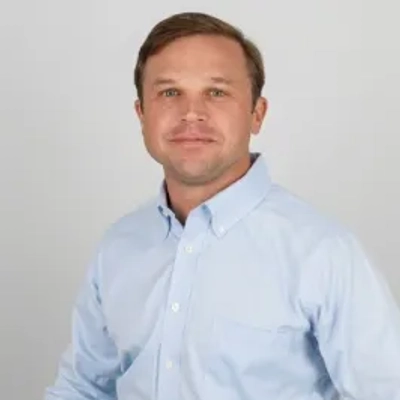 Kendall Carew, CEO, Mackey Services
Relax Outdoors, Refine Illumination
Success is determined by the quality of my choices, the output we produce, and whether or not I continue to ENJOY MY WORK. Both technical expertise and creativity are needed for outdoor lighting. It’s simple to lose the innovative viewpoint that initially drew me to this industry when I’m continuously preoccupied with equipment, installation schedules, and troubleshooting. I can think clearly and approach tasks with new ideas when I take time to relax.
For instance, I can better understand how people use a space after dark when I spend an evening outside without assessing fixtures or planning the next installation. My approach can be influenced by that viewpoint, particularly when assessing what should be left unlit. Adding more light to everything is not the goal of success. It’s understanding the importance of light in my life and at work.
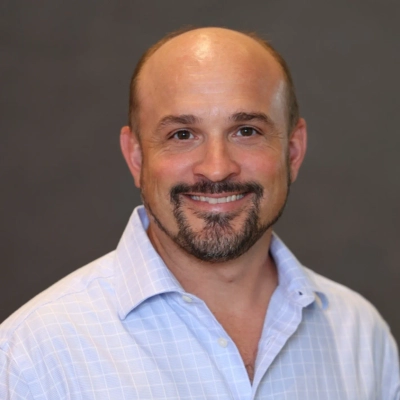 Nick Schriver, CEO & General Manager, Decorating Elves
Play Hockey, Restore Family Presence
Success means building a business where people thrive while having time and energy for the people I love. Unwinding helps me return with patience and perspective. Playing hockey with my family is one example: I get to be present with them, enjoy something outside work, and come back refreshed. A fulfilling life needs room for both.
 Michael Gargiulo, Founder, CEO, VPN.com
Set Boundaries, Foster Ownership
For a CEO, success is not simply reaching a larger scale. It is creating an environment where partners feel understood, teams know what good work looks like, and growth does not dilute the care given to either group. Long-term impact comes from operational maturity, particularly the ability to keep promises consistently when circumstances are less than ideal.
I found balance through time reserved for non-work routines that required full attention, including exercise and family commitments. Those boundaries created a useful constraint. They reduced the temptation to solve every issue immediately and exposed where decision-making relied too heavily on informal intervention. Over time, leaders assumed more ownership, response quality improved, and personal fulfillment grew because success no longer depended on being constantly connected.
 Dawood Bukhari, CEO, Digital Web Solutions
Step Away, Clarify Priorities
A CEO succeeds when growth improves the quality of the organization, rather than simply increasing its size. More revenue can hide weak communication, fragile processes, and leaders who have not been developed. The more meaningful outcome is a business where people understand the mission, customers feel the difference, and difficult decisions can be made without sacrificing long-term credibility.
I once discovered that my most useful strategic ideas arrived after stepping away from constant inputs. A disciplined evening routine, with exercise and no work notifications, created distance from operational noise. That space led to simplifying several priorities that had competed for resources. The company moved faster because leadership stopped confusing activity with progress.
 Jason Hennessey, CEO, Hennessey Digital
Challenge Assumptions, Improve Accountability
CEO success is measured by the quality of correction. Every expanding organization makes mistakes, but the consequential question is whether those mistakes become hidden habits or usable knowledge. I see maturity when evidence can change a decision before someone must defend a failing assumption.
Self-care matters because depleted leaders often confuse speed with clarity. A quiet morning practice during an operating period helped reveal that a customer question was not a communication problem. It was a signal that the underlying decision path had too many interpretations. Simplifying that path reduced rework and made accountability feel less punitive.
 Brian Lebeau, CEO, Attic Projects Company
Recover Well, Forge Longevity
Success means building something that lasts and being healthy enough to enjoy it. I learned this after years of nonstop work almost burned me out in BlackJet’s early days. Now I’m strict about morning workouts and unplugging on weekends. Simple stuff, but it changed how I lead. When I’m rested, I make better decisions about safety protocols and long-term strategy instead of just putting out fires. The companies that endure aren’t built by exhausted founders, they’re built by people who can think clearly and stay committed for decades. Balance isn’t about separating work and life. It’s about sustaining the energy and judgment you need to do meaningful work over the long haul.
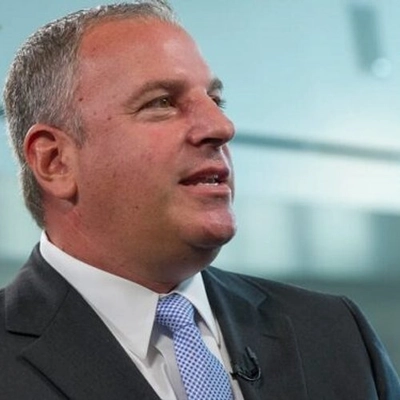 Dean Rotchin, CEO at BLACKJET, BlackJet
Lift Weights, Lead Calmly
To me, success as a CEO means building a sustainable business that balances financial responsibility with genuine care for people and long-term outcomes. Prioritizing unwinding and self-care gives me the clarity and consistency to lead without reacting to every crisis. Each morning I lift weights and walk three miles, and that routine helps me prepare for the day so important decisions are made from a place of calm. That practice has allowed me to approach renewals and client strategy with steady focus, which feels both professionally effective and personally fulfilling.
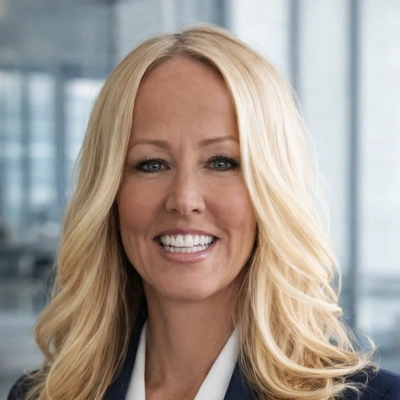 Jennifer Schaefer MBA, CLU, CHFC, RHU, REBC, SHRM-SCP, Founder & CEO, JS Benefits Group
Cook Meals, Ease Agency Strain
I think what makes a good leader is being able to pass down the torch and teach your employees to be even better at what they do than you are. You succeed as a CEO when the team can do everything you do by themselves, and do it even better.
As for unwinding and self-care, I think it’s super important, since leading an agency is stressful. I want to say I go to the gym, but that would be a complete lie. I used to go out for a drive, but Miami’s streets are super busy and even that’s become a pain as of late. I do enjoy cooking, though. I can’t guarantee that what I make will taste good, but I like the process and the ceremony of preparing something. I like watching cooking videos, it helps me relax. I think that balance has helped both my personal and professional fulfilment.
 Gabriel Shaoolian, CEO and Founder, Digital Silk
Respect Staff, Sustain Mission
I’m successful as a CEO if my clients and employees are successful. It’s that simple. Profitability is how we survive, but our mission is to help businesses make the most efficient possible use of their data, and to help our employees grow as professionals and afford their lives. One of the things I’ve learned from a long, hard career is that burnout is one of the biggest enemies to success. Even though I’m fond of long hours and find myself thinking about work even when I’m trying to unwind, I know that most people don’t operate this way, and I don’t ask them to. I insist that my employees keep reasonable hours, use their PTO, and take care of themselves, and that starts with never demanding work from them outside of that framework.
 Ranjith Raghunath, CEO, CX Data Labs
Make Space, Preserve Integrity
I do not view success as a finish line. I see it as the ability to keep building with integrity while remaining present for the people who depend on you. Financial performance is important, yet it becomes more meaningful when it is paired with a healthy culture, honest communication, and a sense of shared purpose.
Unwinding helps preserve the discipline required for that kind of leadership. When I make time for movement, quiet reflection, or family, I become less likely to confuse speed with progress. I can assess challenges more objectively and avoid carrying unnecessary stress into every interaction. A fulfilling life requires ambition, but it also requires enough space to appreciate progress and maintain the relationships that make ambition worthwhile.
 Kyle Barnholt, CEO & Co-founder, Trewup
Nurture Yourself, Uplift Stakeholders
It’s difficult to boil down my definition of success as a CEO to just one thing, because there are so many elements to it that are so important to me. If I had to try to define it as concisely as possible, I would probably say something like “success as a CEO means using my leadership position to boost everyone and everything around me to higher levels of success and satisfaction, from my employees, to our customers, to our investors, to our business as a whole, and to myself as well.” The role of leader as CEO is the most important one, and you’re not just leading one group of people because your actions and decisions have such a ripple effect. Personally, unwinding and self-care are crucial for my energy levels and my ability to avoid burnout. I work a lot, and if I don’t make sure I am also taking care of myself and resting outside of work, it can feel like I never get a break, and even if I am loving what I am doing, there is only so much a person can handle. To do right by the people I serve and by myself, I have to take care of myself outside of my work.
 Eli Zimmer, CEO, Luxaire HVAC Services
Protect Dawn Hours, Sharpen Direction
Success, to me, means building something that works without me being the bottleneck. If my team can execute, clients are growing, and the work we do actually moves the needle for law firms, that’s success. Revenue matters, obviously, but it’s not the whole story.
Here’s what I’ve learned running Custom Legal Marketing: burnout is the enemy of good strategy. When I’m exhausted, I make reactive decisions instead of smart ones. I’ve watched myself approve campaigns I’d normally push back on, miss opportunities I should have spotted, and generally become less useful to everyone around me. That’s not a CEO anyone wants. Self-care isn’t a buzzword for me. It’s operational maintenance. My brain is my most important tool. I need to sleep, exercise, and disconnect regularly or the quality of my thinking degrades. Simple as that. The balance example that sticks with me is when I started protecting my mornings.
A few years back, I was answering emails before I even got out of bed. Every morning started with someone else’s agenda. I was constantly in response mode rather than thinking proactively about where the company needed to go. I stopped. I blocked my first two hours for strategic thinking, exercise, or just coffee without a screen. My output quality improved noticeably within weeks. I was coming into meetings with clearer ideas and better energy. My team noticed. Our strategies got sharper. That shift also made me a better father and husband.
I wasn’t showing up at dinner still mentally grinding through work problems. A fulfilling life, for me, is being genuinely present in whatever I’m doing. Whether that’s building a marketing strategy for a law firm or coaching my kid’s team, I want to actually be there. That presence requires protecting the space to recharge.
 Jason Bland, Co-Founder, Custom Legal Marketing
Delegate Authority, Develop Talent
Twenty-five years in construction, including managing over a billion dollars in hospital projects, taught me that success isn’t the buildings. It’s whether the people you developed are still raising the standard long after you’ve left the project.
Early in my career I treated exhaustion as proof of commitment. That was a mistake I paid for slowly — the burned-out PM makes expensive decisions, and the project absorbs the cost before you even feel it.
The shift that actually changed things: I started treating delegation as a leadership act, not a sign of weakness. When I built teams that could run the morning huddle without me, solve coordination problems without me, I got my calendar back — and that time went into the one-on-one conversations that built the next generation of PMs.
That’s my real definition of success. Not a title or a number. It’s the moment you walk onto a job and the work is already moving — because you built people, not dependency.
 Mike Toftely, Founder, Building Construction People Group
Guard Downtime, Spot Opportunities
Success for me is building something that actually solves a problem while still having enough energy left to keep making it better. Early on at Jettly, I was working all the time and making most of my decisions exhausted. Eventually I started carving out time to exercise and just completely unplugging on weekends. What changed? I got better at the strategic stuff and solved problems faster. Running a marketplace that connects travelers with aircraft operators across the world, you need headspace to spot the patterns and see where the opportunities are. Rest isn’t some luxury. It’s what keeps you competitive. The most successful CEOs I’ve met guard their downtime like it’s sacred, because they’ve figured out that you can’t sprint forever. Balance doesn’t mean working less. It means being sharper when you’re actually working.
 Justin Crabbe, Founder, Jettly.com
Claim Personal Hours, Detect Errors
Success to me isn’t a number on a spreadsheet — it’s being the person my clients, my team, and my tenants can count on without question. After 14 years managing properties and hundreds of units across South Florida, I’ve learned that reliability is the real currency in this business.
The grind in property management is relentless — maintenance emergencies don’t care if it’s Sunday. If I don’t deliberately carve out time to reset, I make reactive decisions instead of proactive ones, and that directly hurts my owners’ ROI.
The clearest example for me: I went through a stretch of overseeing a full-scale renovation project while juggling leasing and CAM responsibilities simultaneously. I was stretched thin and the quality of my oversight was slipping. The moment I started protecting even one morning a week as non-negotiable personal time, my decision-making sharpened — I caught a contractor discrepancy early that would have cost my client real money.
The balance isn’t soft — it’s operational. A property manager who’s burned out misses the details, and in this business, the details are everything.
 Cédric Rose, Founder & Property Manager, Management 305