


Unlock the full potential of leadership diversity with this comprehensive guide, featuring expert insights and actionable strategies. Discover how setting clear goals, expanding talent searches, and implementing structured programs can reshape the leadership landscape. Gain a competitive edge by embracing diversity with proven practices that bring about tangible change.
- Set Clear Diversity Goals for Leadership
- Align Board on Diversity Importance
- Expand Talent Search Beyond Traditional Sources
- Move Leaders from Non-Conventional Backgrounds
- Conduct Quarterly Diversity Audits
- Implement Structured Sponsorship Programs
- Define Diversity Beyond Basic Categories
- Mentor and Elevate Underrepresented Professionals
- Use Blind Recruitment to Reduce Bias
- Include Diverse Voices in Hiring Processes
- Drive Open-Mindedness for Diverse Leadership
Set Clear Diversity Goals for Leadership
Ensuring that leadership reflects the diversity of our customer base is essential for fostering innovation and serving diverse needs. One practice I’ve implemented is setting clear diversity and inclusion (D&I) goals for leadership hiring and development. These goals focus on increasing gender, racial, and ethnic diversity within our leadership pipeline.
We’ve also established mentorship and sponsorship programs, where senior leaders guide high-potential employees from underrepresented groups. This provides them with career advancement opportunities and access to networks.
In addition, we support diverse talent through leadership training, cross-functional projects, and exposure to strategic decision-making. This helps diverse employees rise into leadership roles and succeed.
Finally, creating a culture that values diverse perspectives is crucial. We encourage open discussions about D&I, ensuring that all voices are heard in decision-making processes.
These practices help build a leadership team that is not only diverse but also capable of leading inclusively and effectively, reflecting the needs of our customer base.
 Alysha M. Campbell
Founder and CEO, CultureShift HR
Align Board on Diversity Importance
When I was CEO, I ensured our leadership reflected diversity by making it a clear and measurable goal, aligning our board and leadership on its importance. I emphasized how diverse leadership drives better outcomes for customers and communities, reinforcing this with research on innovation and financial performance. We then integrated diversity into our HR strategy and recruitment processes, ensuring that job descriptions, sourcing, and hiring panels were designed to attract and retain diverse talent.
Additionally, we established measurable KPIs to track progress and maintain accountability to our board, leadership, and community. Now, as a coach for CEOs and an HR consultant, I incorporate these same practices into my coaching, helping leaders build inclusive and high-performing teams.
 Analiza Quiroz Wolf
Executive Coach, CEO, Women of Color Rise
Expand Talent Search Beyond Traditional Sources
We make a conscious effort to ensure our leadership team reflects the diversity of our customers by expanding where and how we find talent. Instead of relying only on traditional hiring sources, we actively recruit from underrepresented communities through targeted outreach, mentorship programs, and industry groups that focus on diverse talent.
But hiring diverse candidates is just the start. We also invest in internal mentorship programs where employees from different backgrounds get direct coaching from senior leaders. This helps them grow into leadership roles while also making sure different perspectives are heard at the top.
Another key change we made was rethinking how we evaluate leadership potential. Instead of focusing just on years of experience, we look at problem-solving ability, adaptability, and team impact. This shift has helped us promote leaders who bring fresh perspectives and better understand the needs of our customers.
Diversity in leadership doesn’t happen by chance. It takes an intentional approach to hiring, mentorship, and promotions to build a team that truly represents the people we serve.
 Vikrant Bhalodia
Head of Marketing & People Ops, WeblineIndia
Move Leaders from Non-Conventional Backgrounds
The approach of J.E.D.I. leaders is to embody the viewpoint of the customer in every key decision juncture in the company. J.E.D.I. leaders understand that increasing the size of the pie and access to their offerings from as broad a group of customers as possible is desirable. But they also know that this requires enough diversity internally, with full inclusion, to leverage the experiences in the room to create positioning and messaging that activates these vastly different customer groups. This all comes from a deep understanding not only of customer desires but of existing and potential customer demographics.
Specific practices that I’ve implemented to promote diversity in leadership is to move senior leaders from non-conventional business backgrounds like HR (which has a much higher demographic slant toward women), legal, marketing and sales, corporate affairs, and legal into high level leadership functions. This guarantees not only better demographic diversity but also functional experience diversity which allows for different approaches that lead to customer innovation.
 Omar L. Harris
Founder and Managing Partner, Intent Consulting
Conduct Quarterly Diversity Audits
We do Diversity Audits every quarter to make sure our leadership team looks like our customer base. This is core to our inclusive leadership goal and helps us connect our team with the needs and perspectives of our audience.
Every quarter our automated HR system pulls demographic data from our leadership team. I use tools that track age, gender, ethnicity, and other key metrics. The system then spits out a report that compares these numbers to our customer demographics and industry benchmarks. This gives us a clear view of where we’re missing.
Once the report is out, I review it with our HR and executive teams. We discuss where our leadership is not reflecting our audience. For example, a recent audit showed we were underrepresented in certain ethnic groups. This led us to adjust our recruitment strategy for senior roles to ensure a more balanced slate of candidates.
Sometimes the process hits snags. One issue we ran into was incomplete data. This was often due to outdated employee profiles or reluctance to share sensitive info. I sent out follow-up surveys with clear, simple questions and strong privacy guarantees to capture the missing data and refine our reports.
Another problem was making sure the automated tool was interpreting our data correctly. One time the tool misclassified some roles and skewed the results. I worked directly with the vendor to tweak the system settings and manually verify the data until the tool was accurate.
My advice to anyone looking to improve diversity in leadership is simple: do regular, data-driven audits and be ready to tackle the challenges head-on. Use automated tools to get the data, but also do follow-up surveys and manual reviews. This balanced approach not only shows the gaps but also drives change in your leadership composition.
 Soubhik Chakrabarti
CEO, Canada Hustle
Implement Structured Sponsorship Programs
Our commitment to diverse leadership began with our founding story as sisters but has evolved into a comprehensive approach to building an inclusive team that truly represents our global community. When we expanded our leadership team beyond family, we implemented a structured sponsorship program that pairs emerging leaders from underrepresented backgrounds with experienced executives for mentorship and development opportunities.
The impact of this diversity is reflected in our product development. For instance, our latest collection incorporated feedback from leaders across different backgrounds, resulting in designs that better serve a wider range of skin tones and style preferences. Our UPF technology development now benefits from diverse viewpoints that consider how sun protection needs vary across different communities and cultural contexts.
Beyond representation, we’ve created a culture where diverse voices actively shape our direction. Quarterly “Innovation Forums” bring together leaders from all departments to challenge assumptions and bring fresh perspectives to sun protection challenges. This practice has not only improved our products but has also strengthened our connection with our diverse customer base, who see their own experiences and needs reflected in our leadership’s decisions.
 Laura Kosmorsky
Co-Founder, Tied Sunwear
Define Diversity Beyond Basic Categories
In our experience working with organizations to foster greater diversity in leadership, the first step is defining what diversity truly means. This begins with developing a deep understanding of the diversity within your customer base across all dimensions, extending beyond gender, race, and age to include factors such as socioeconomic background, abilities, and cultural perspectives. Many organizations lack awareness of the full spectrum of diversity, which often results in blind spots in leadership representation. You cannot effectively hire for diversity if you haven’t fully captured and understood the range of experiences and identities within your customer base.
By intentionally analyzing who your customers are and the perspectives they bring, you can identify gaps in your leadership team that may hinder inclusive decision-making. Once these gaps are recognized, a strategic approach to recruitment, mentorship, and leadership development should be implemented to elevate diverse voices. Prioritizing diversity in leadership fosters innovation, trust, and alignment with customer needs, ultimately driving business success. Without this intentional effort, organizations risk maintaining homogeneity at the top, leading to missed opportunities and a disconnect from the people they serve.
 Carolina Caro
CEO, Conscious Leadership Partners
Mentor and Elevate Underrepresented Professionals
Since we primarily serve female entrepreneurs, startup founders, and luxury-driven business owners, our leadership embodies the perspectives and experiences of those we support. A diverse leadership team strengthens our ability to create authentic, relevant, high-impact PR and branding strategies that resonate with our community.
One key practice we’ve implemented is proactively mentoring and elevating women and underrepresented professionals within our industry. Through our platform, we highlight women-led businesses, collaborate with diverse experts, and offer mentorship opportunities to help emerging leaders gain visibility and influence. By creating a pipeline of diverse talent and leadership, we ensure that our brand strategy and PR services remain inclusive, forward-thinking, and deeply aligned with the evolving needs of our audience.
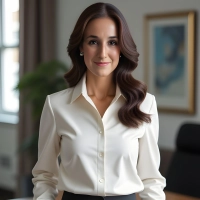 Kristin Marquet
Founder & Creative Director, Marquet Media
Use Blind Recruitment to Reduce Bias
We believe it’s crucial for our leadership team to reflect the diversity of our customers and target audience. One practice we’ve implemented to promote diversity is blind recruitment for leadership roles, where we remove personal details like names, gender, and age in the early stages to reduce any unconscious bias. This helps ensure we’re focusing on the skills and experience that matter most, without being influenced by preconceived notions.
We’ve also made a conscious effort to reach out to networks and organizations that support underrepresented groups in tech and HR. Bringing diverse voices into leadership doesn’t just make us more inclusive—it also brings fresh perspectives that challenge the status quo and help us better serve a wider range of customers. By embedding diversity into our hiring process and leadership discussions, we ensure that our company culture is one that values different viewpoints and drives innovation.
 Abhishek Shah
Founder, Testlify
Include Diverse Voices in Hiring Processes
We understand that reflecting the diversity of our customer base begins at the top. One practice we’ve adopted is actively including diverse voices in our hiring and promotion processes for leadership positions. We look beyond résumés for candidates with unique perspectives that match our customer demographics. For instance, when filling a leadership position, we emphasize how a candidate’s life experiences, cultural awareness, and customer insights can contribute value to our team.
Furthermore, we have established partnerships with organizations that support underrepresented professionals, ensuring we tap into a broader talent pool. This deliberate approach has enabled us to form a leadership team that reflects the diverse customers we serve, allowing us to forge stronger connections and make smarter, more inclusive decisions. Diversity is not just a principle; it is a competitive advantage.
 Kevin Bryan
Director of Customer Experience, The Alloy Market
Drive Open-Mindedness for Diverse Leadership
Diversity is a critical component for every organization as it demonstrates the ability to bring different people, different thoughts, different expertise, and different ideas to grow your organization, to include all stakeholders, and to connect with your clients. One way to ensure your leadership team reflects diversity of thought and reflects your client base and prospects is to become more open-minded. Become open to new ideas, practice active listening, stop judging others, and allow others to share their take.
If your definition of listening is waiting to talk, then you are missing out on so much possibility. Instead, listen with the intent to understand and be open to creative thought and new direction. Respect others and their ideas. By driving open-mindedness throughout your organization, you ensure diversity thrives in your work environment, that your business decisions reflect all stakeholders, and everyone has a voice.
 Mark Krajnik, LSSGB, CPC
CEO, Performance Mindset Associates